Sustainability
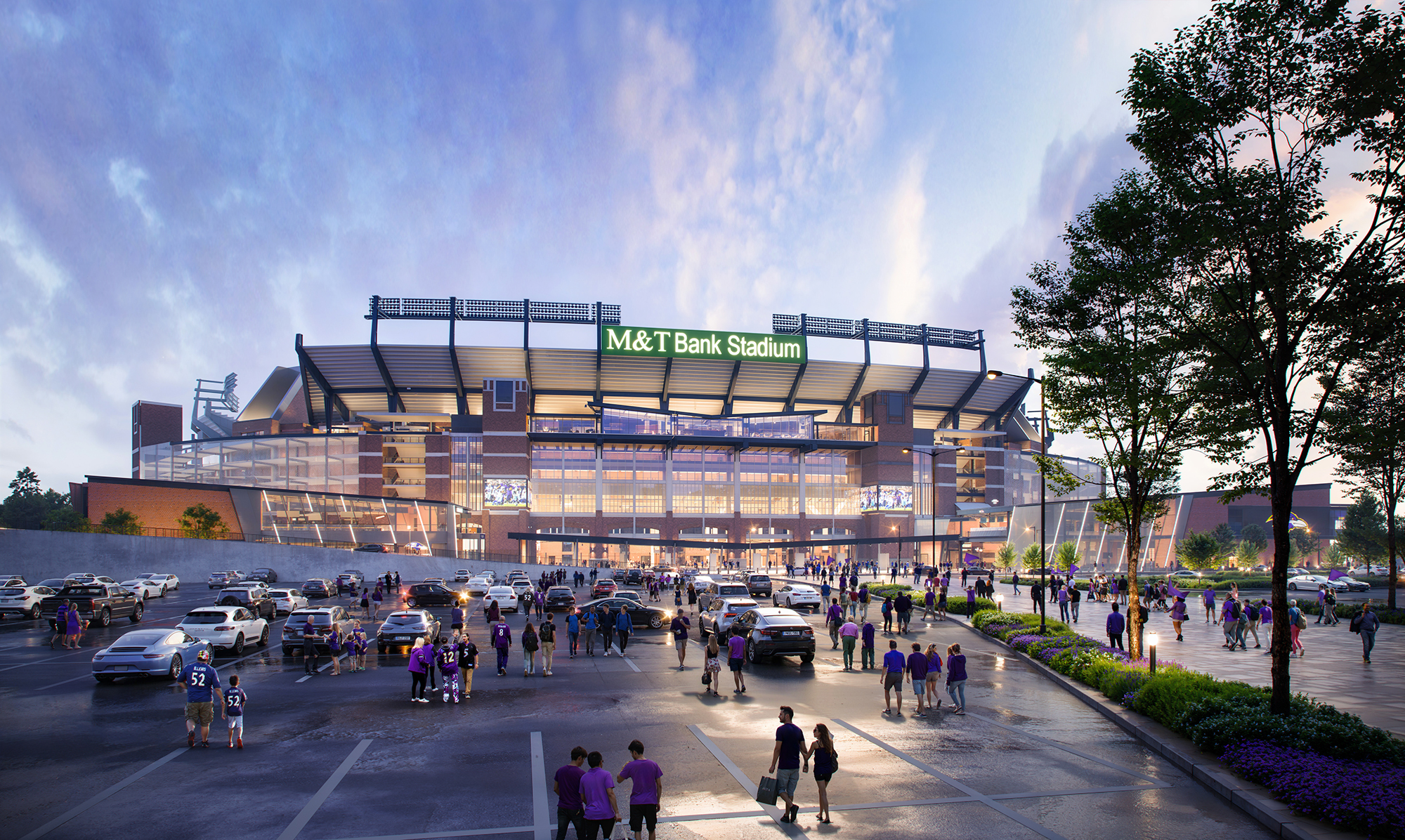
The Baltimore Ravens, in partnership with the Maryland Stadium Authority (MSA), have earned a LEED-certified "Gold" designation for M&T Bank Stadium from the U.S. Green Building Council (USGBC). (LEED is Leadership inEnergy and Environmental Design. LEED strives to deliver energy- and water-efficient, healthy, environmentally-friendly, cost-saving buildings, homes and communities.) M&T Bank Stadium becomes the first existing outdoor professional sports facility in the United States – including all NFL and Major League Baseball stadiums – to receive USGBC's Gold rating. A LEED certification is recognized across the globe as the premier mark of achievement in green building.

Major Sustainability Projects at M&T Bank Stadium
- 43% water reduction with the installation of over 400 waterless urinals
- 27% above the national average in energy efficiency
- Offset 123,070 metric tons of greenhouse gas emissions
- Electricity at the stadium has been reduced from 15,952,984 kilowatt hours in 2005 to 10,881,579 in 2012, a savings of 5,071,405 kilowatt hours. (That savings can heat about 440 homes for a year.)
- 71% of regularly occupied spaces have access to outdoor views
- 50% energy consumption reduction with a change to LED sports lights
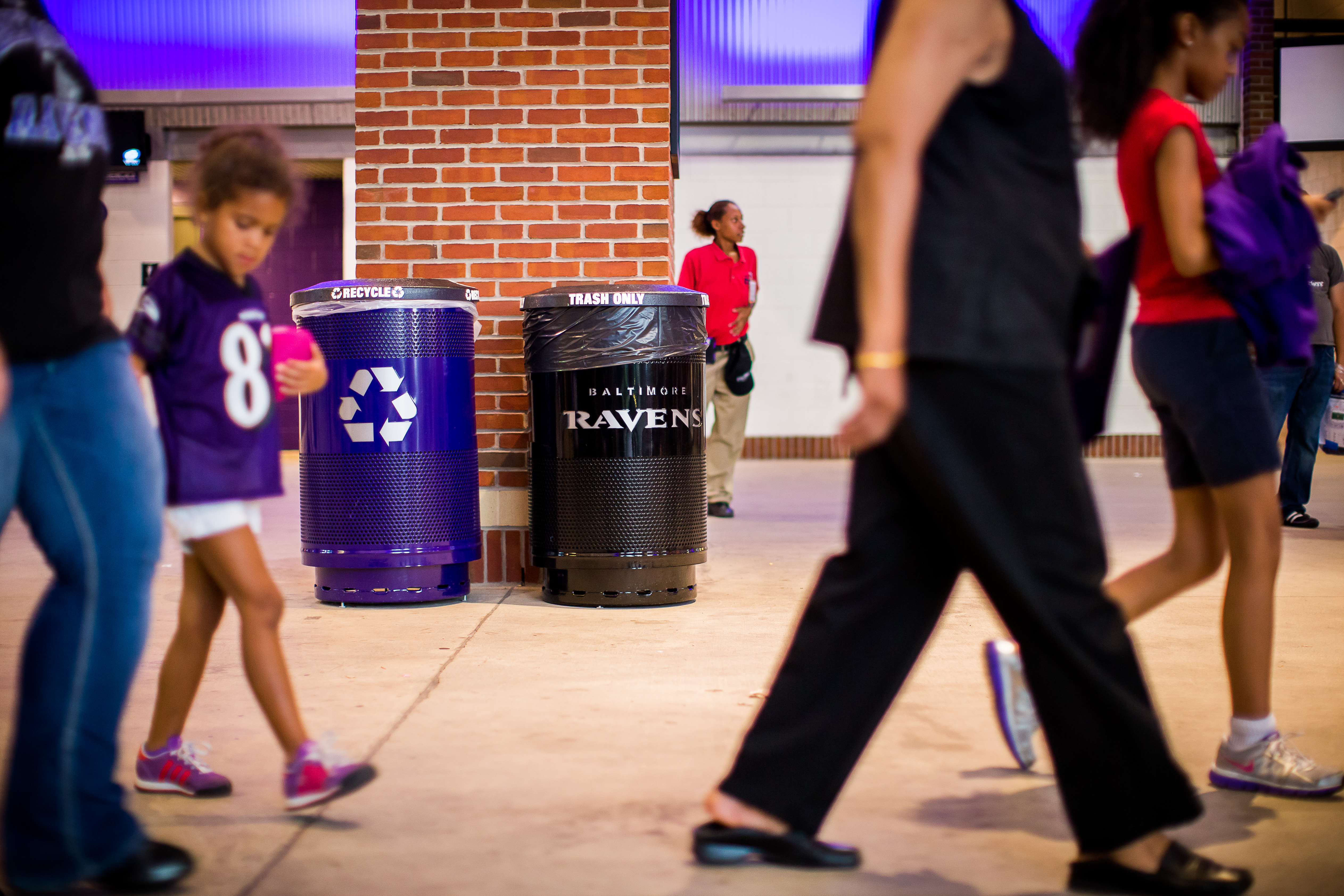
- The stadium recycles 31% of its regular waste and is working to increase this percentage.
- The stadium saves over 3 million gallons of water per year with waterless urinals and water-efficient restroom fixtures throughout the building.
- All purchases for M&T Bank Stadium follow the Sustainable Purchasing Policy to include recycled, renewable and Energy Star-labeled products for the building.
- The stadium implements a "Green Cleaning" program that improves air quality and reduces waste with green cleaning products and materials.
- Both the Ravens and Maryland Stadium Authority encourage the use of public and alternative transportation to stadium events. 10% of Ravens fans use the MTA Light Rail service to travel to and from games. Another 2% use buses through the "Ravens Ride" program.
- 38% of M&T Bank Stadium staff use alternative transportation to work, contributing to the stadium's carbon footprint reduction of 123,070 metric tons of greenhouse gas emissions per year.
- The stadium's efficient irrigation system and adaptive vegetation reduces 30% of its potable water for outside irrigation.
- Environmentally friendly operations and maintenance programs are used in all pest, landscape and hardscape management programs for the stadium.